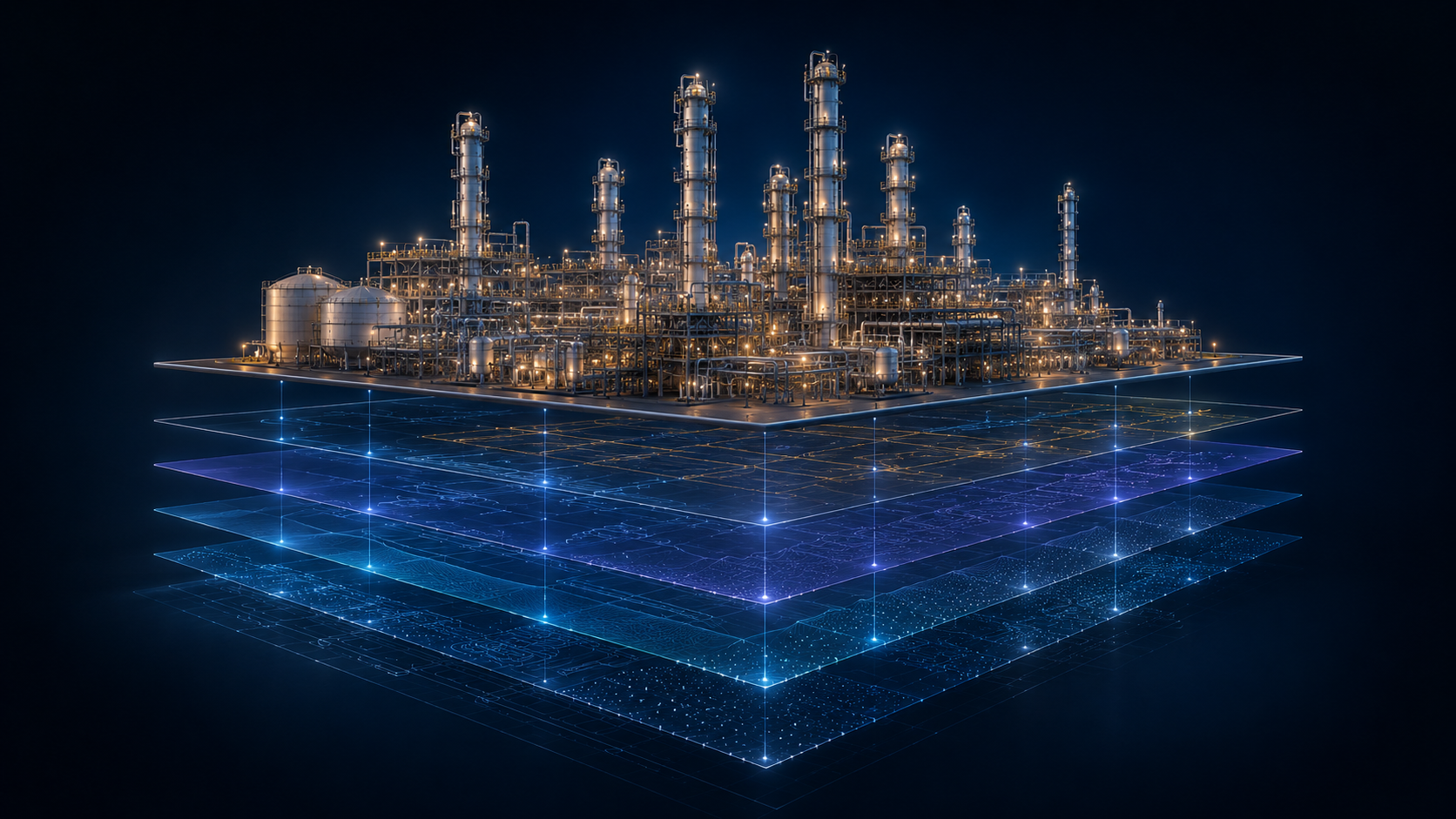
New Technologies Place New Demands on Plant Engineering Systems
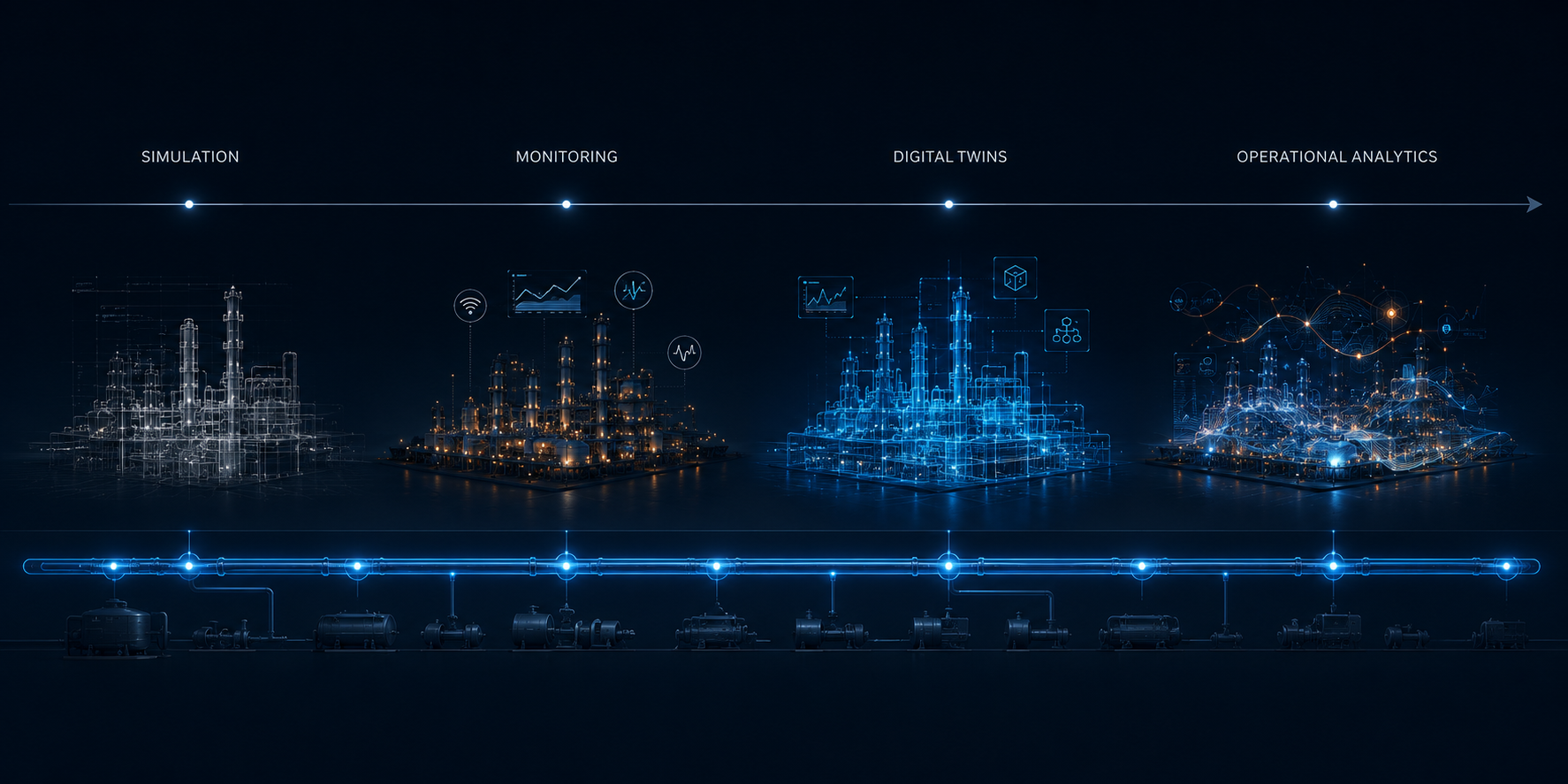
Industrial engineering has progressed enormously through improved thermodynamics, machinery modelling, process simulation, monitoring systems and operational analytics. These advances have delivered significant improvements across design, operation and asset management.
Yet many engineering and operational systems continue to rely on execution approaches developed when industrial facilities were smaller and computational resources far more limited.
As expectations continue to grow, the question is no longer how much more information can be generated, but whether the underlying execution model can support the requirements of existing facilities, new developments and emerging technologies.
Engineering systems must serve real plant operation while scaling to support new technologies.
A Runtime Built Around Plant Behaviour
Representing the plant at runtime requires an active engineering system that maintains calculated state as operating conditions change. Equipment, controls, process flows and nested recycles must retain their engineering relationships throughout continuing calculation.
The runtime representation determines how plant interactions are organised, solved and converged. Simulytica preserves the engineering structure and connection semantics, allowing intelligent solvers to address different convergence requirements while independent calculations execute in parallel.
Steady-state and dynamic calculation, live monitoring and engineering investigation can operate through one continuing plant representation rather than separate execution environments.
Simulytica preserves engineering connection semantics at runtime, enabling intelligent convergence and scalable parallel execution.
Representation Determines Runtime Capability
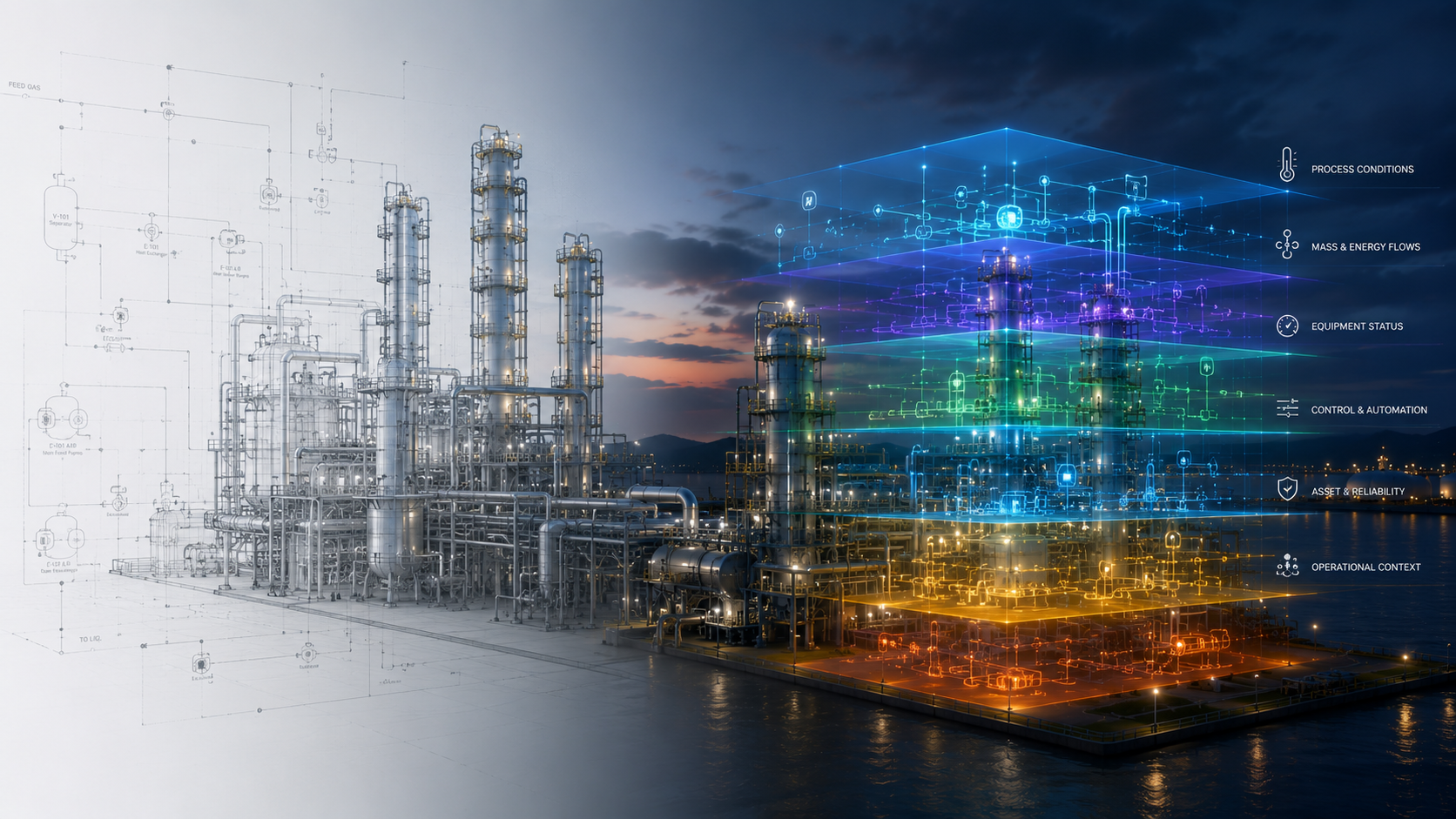
The way a facility is represented determines what the engineering system can preserve, calculate and expose during execution. A representation that reduces plant relationships to generic mathematical connections can lose the distinct behaviour of process, control, mechanical and electrical interactions.
Preserving the engineering structure allows equipment hierarchies, control systems and nested recycles to remain identifiable throughout calculation. The runtime can then analyse plant connectivity, apply appropriate solving methods and provide direct access to state, results and solver behaviour.
Representation therefore affects more than calculation performance. It determines whether the system can scale, support parallel processing and provide the engineering depth required by modern applications.
Plant representation defines what becomes possible at runtime.
A New Generation of Plant Systems
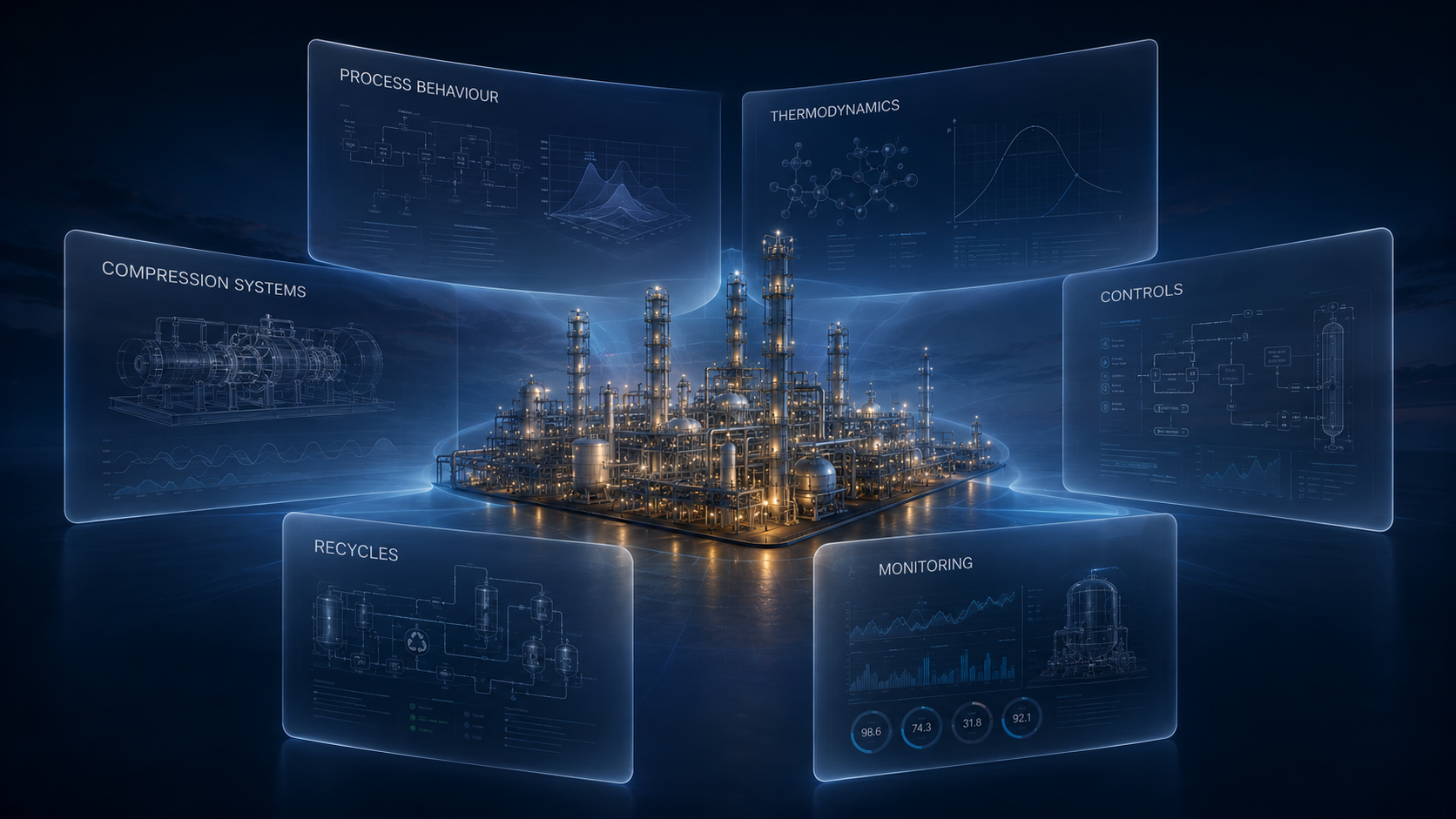
As industrial facilities continue to evolve, plant systems will increasingly be expected to support engineering, monitoring, optimisation and operational applications within one continuously executing environment.
Meeting these expectations requires an architecture that maintains engineering state, responds as operating conditions change, automatically converges complex plant interactions and scales calculations across the required scope.
The opportunity is not simply to calculate existing models faster. It is to establish a stronger execution foundation for continuously evaluating plant behaviour across engineering and operation.
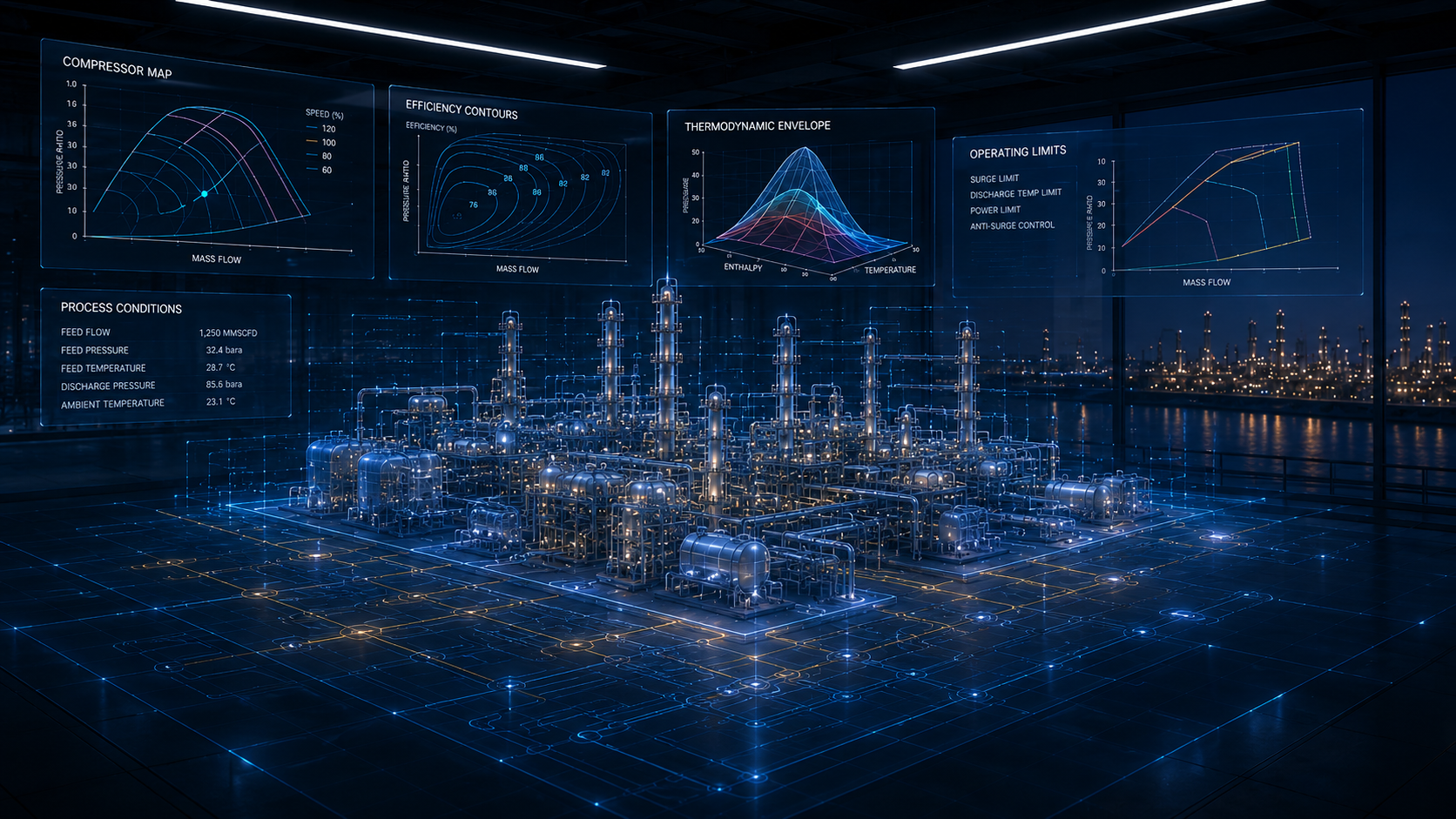
Simulytica systems continuously execute the plant representation, maintaining engineering state and intelligently resolving interactions as conditions change.
The Next Generation of Plant Execution
At Simulytica, we believe industrial facilities deserve execution environments designed for modern engineering and operational requirements.
Our approach separates engineering authoring from operational execution, creating the opportunity for more scalable execution, coordinated engineering behaviour and future operational capabilities while preserving the engineering workflows familiar to industry.
The result is an operational platform designed not only for today's facilities, but for the next generation of industrial operation.
The future of industrial software begins by rethinking how industrial facilities execute.